Closed preservation rhinoplasty keeps the natural bridge intact and reshapes the nose beneath it, rather than removing the dorsum and rebuilding one. Every incision sits inside the nose, so there is no visible external scar — and the profile belongs to your face instead of announcing a surgeon.
A private, one-on-one surgical consultation — he will assess your nasal anatomy and airway, explain what a preservation approach can and cannot change on your face, and give you a written plan and quote.
Dr. Gowda performed open rhinoplasty for more than twenty-five years. He moved to closed preservation rhinoplasty because it is better for the patient: the natural dorsal line is lowered rather than removed and rebuilt, the internal support is left intact, and every incision stays inside the nose — no external scar. It is technically demanding, which is why comparatively few surgeons offer it, and it is why these profiles read as untouched.
Several of these are peer-nominated — awarded by other physicians rather than bought or applied for. In this field, that is the distinction worth paying attention to.


Board certified in plastic surgery in November 1987, with thousands of rhinoplasty procedures behind him. Experience is the single largest variable in nasal surgery outcomes.
He has trained with international experts in preservation rhinoplasty since 2018 — a technique still taught by relatively few surgeons and practiced by fewer.
Associate Program Director of Plastic Surgery at Wayne State University School of Medicine, teaching residents since 1990.
Bone is shaped with ultrasonic Piezo tools rather than chisels and rasps — precise where it needs to be, and gentler on the tissue around it.
Two operations can carry the same name on an invoice and produce entirely different faces a year later.
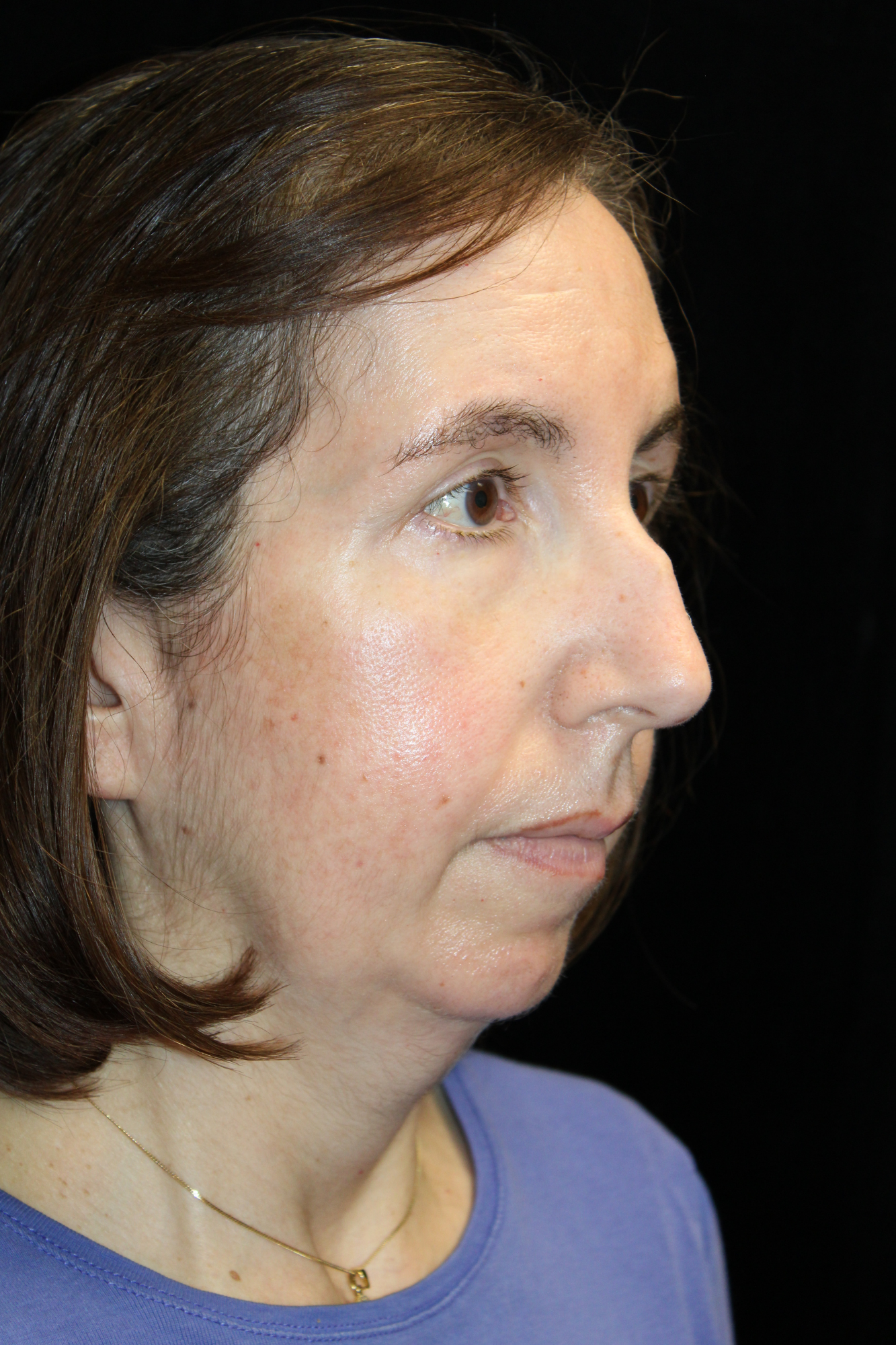
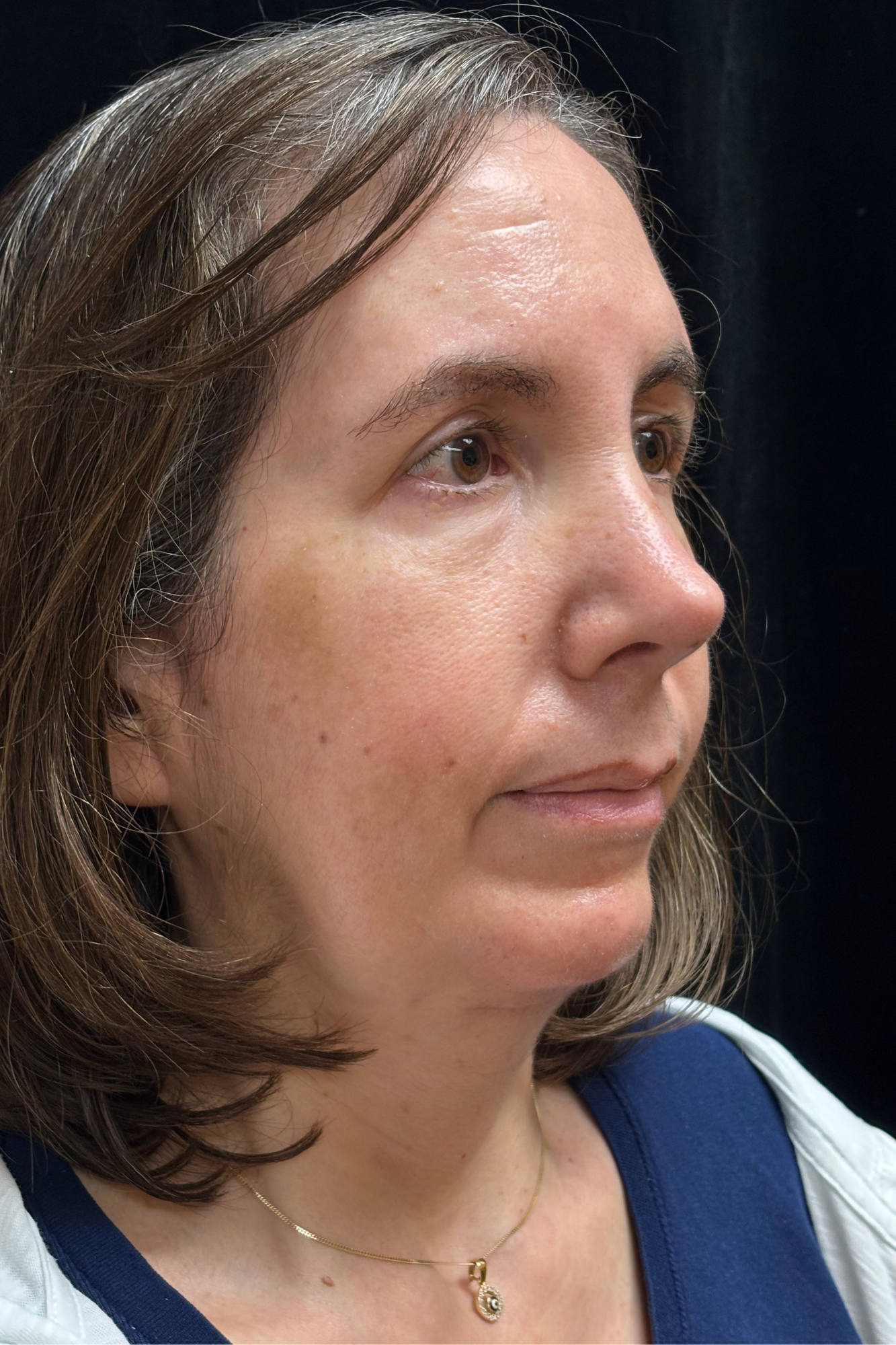
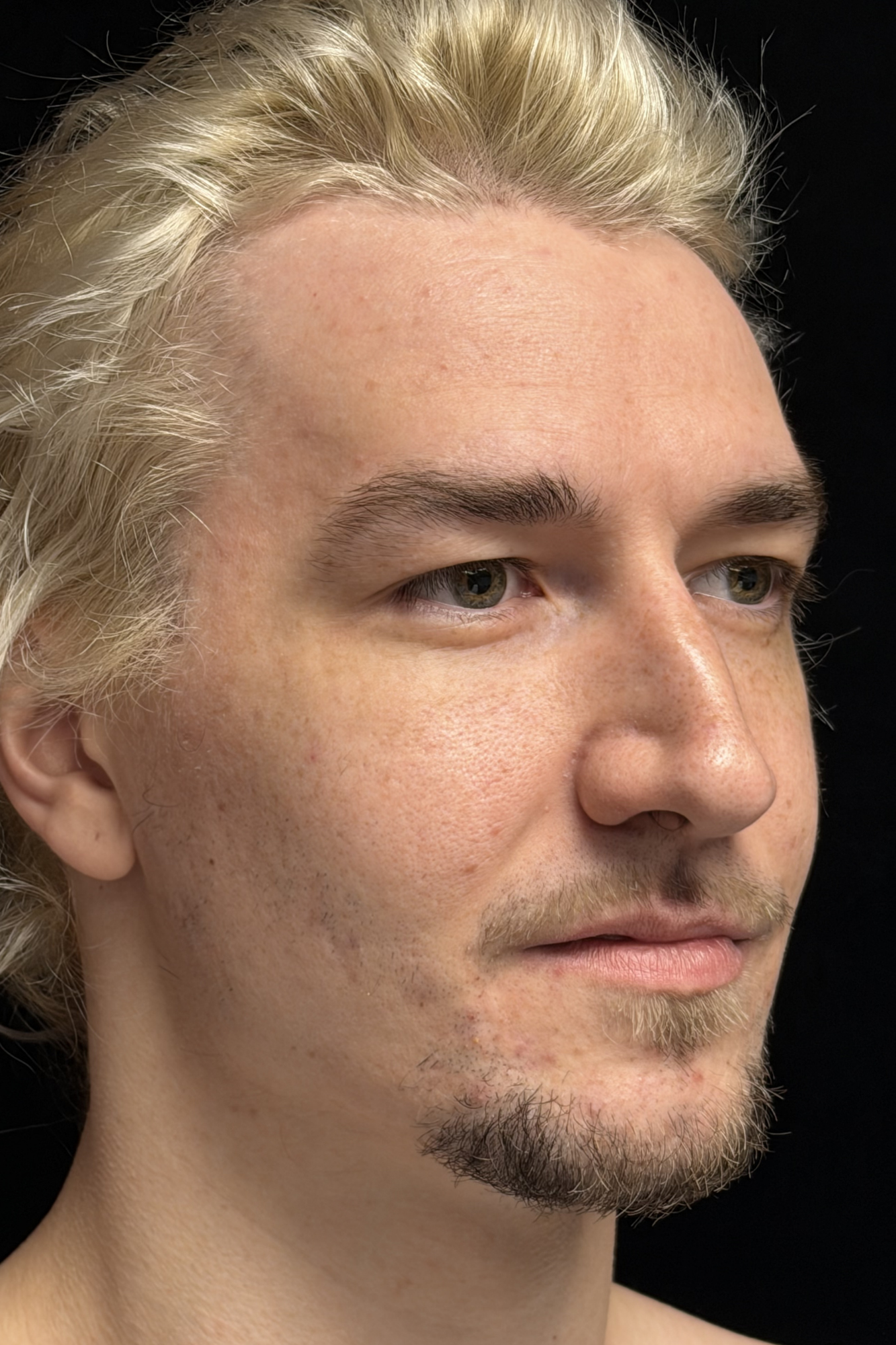
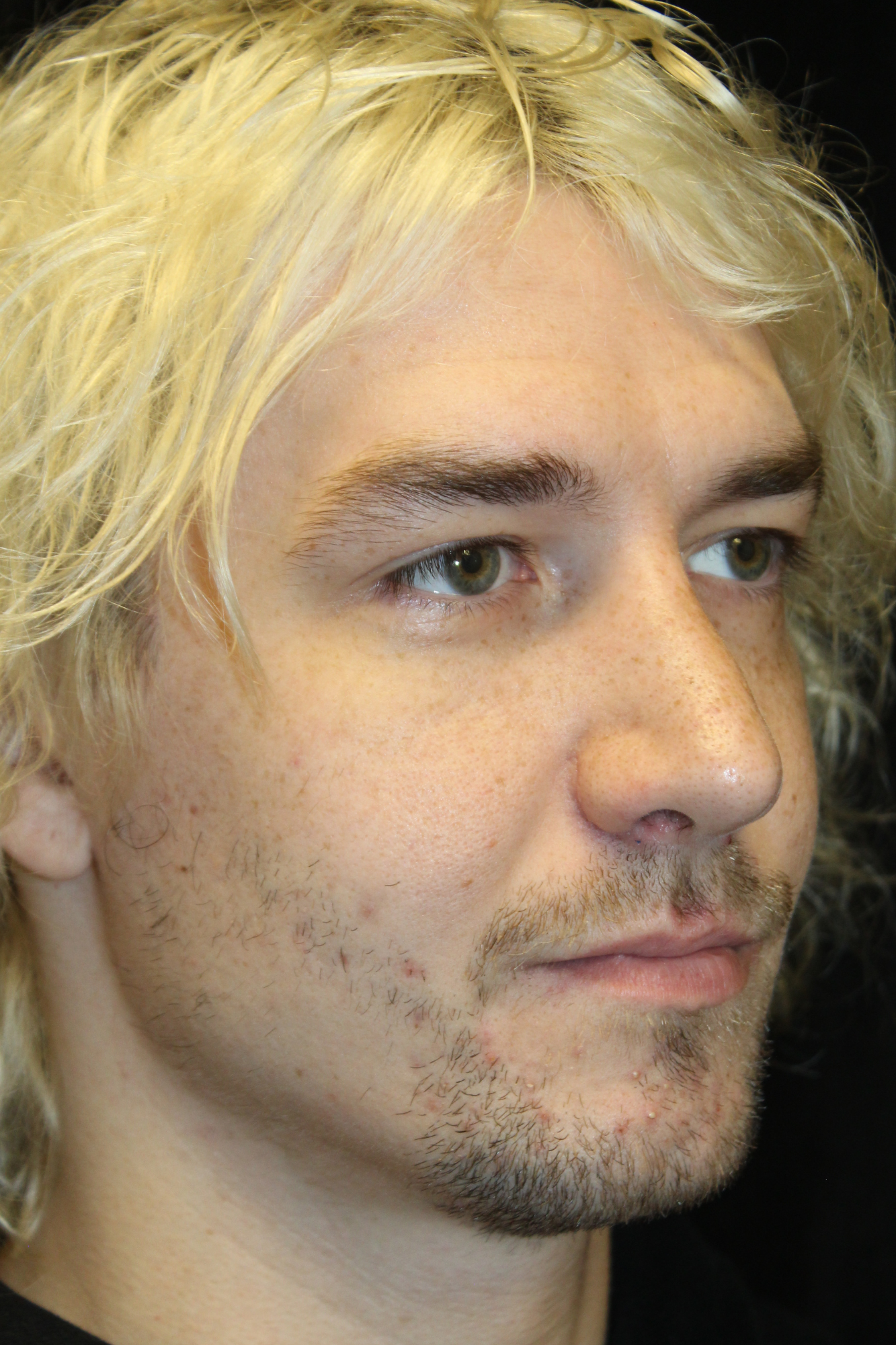
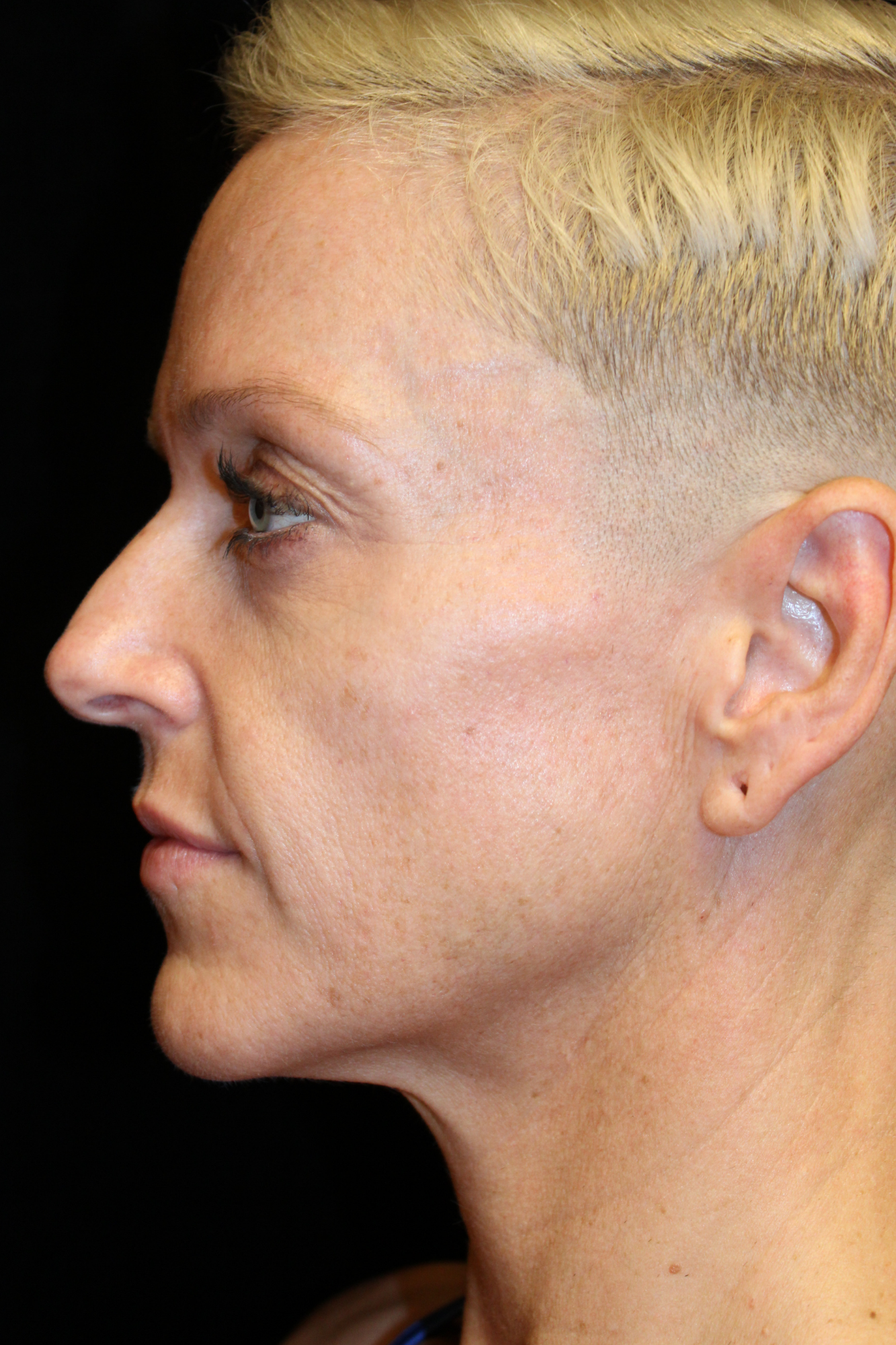
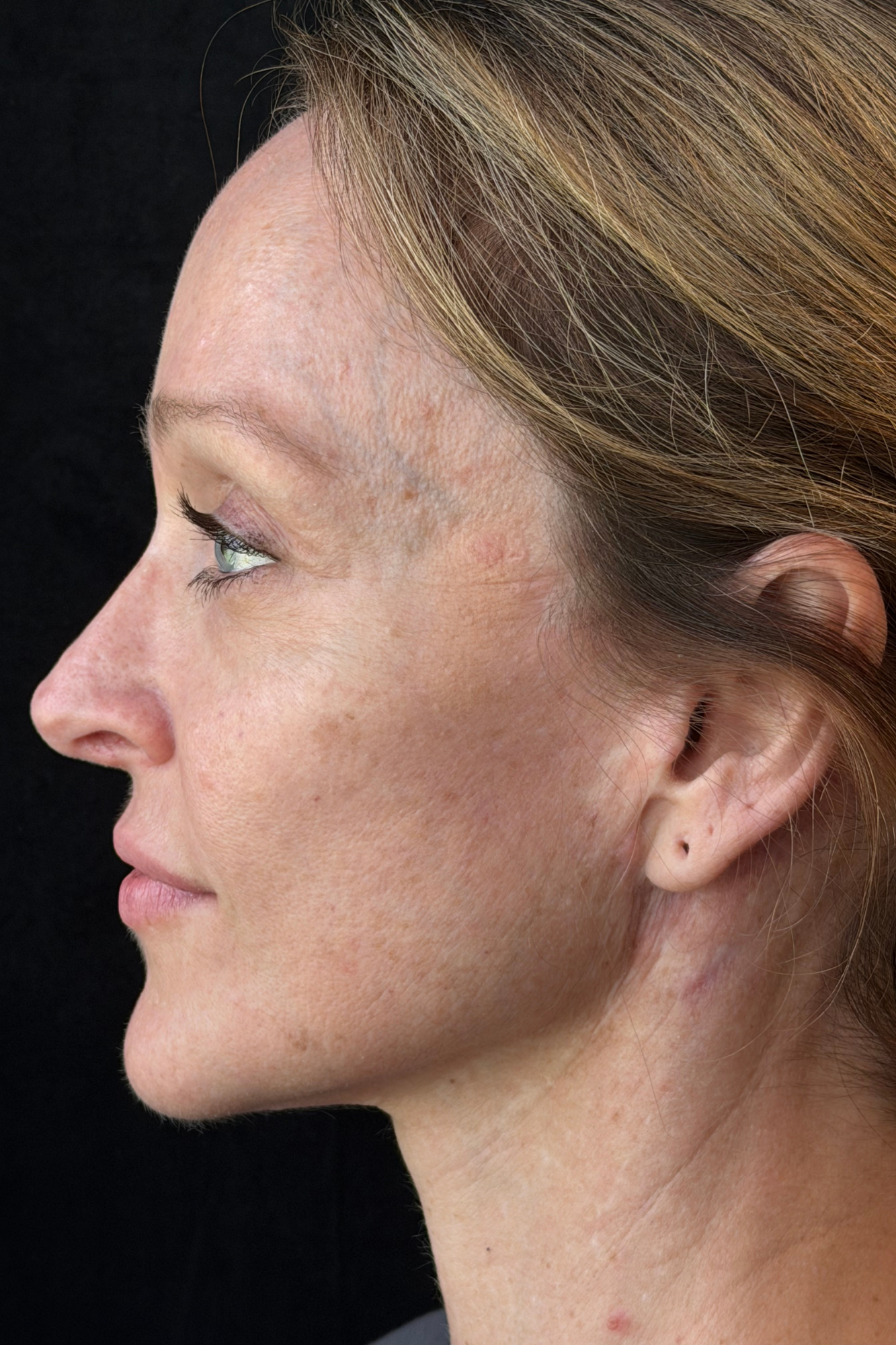
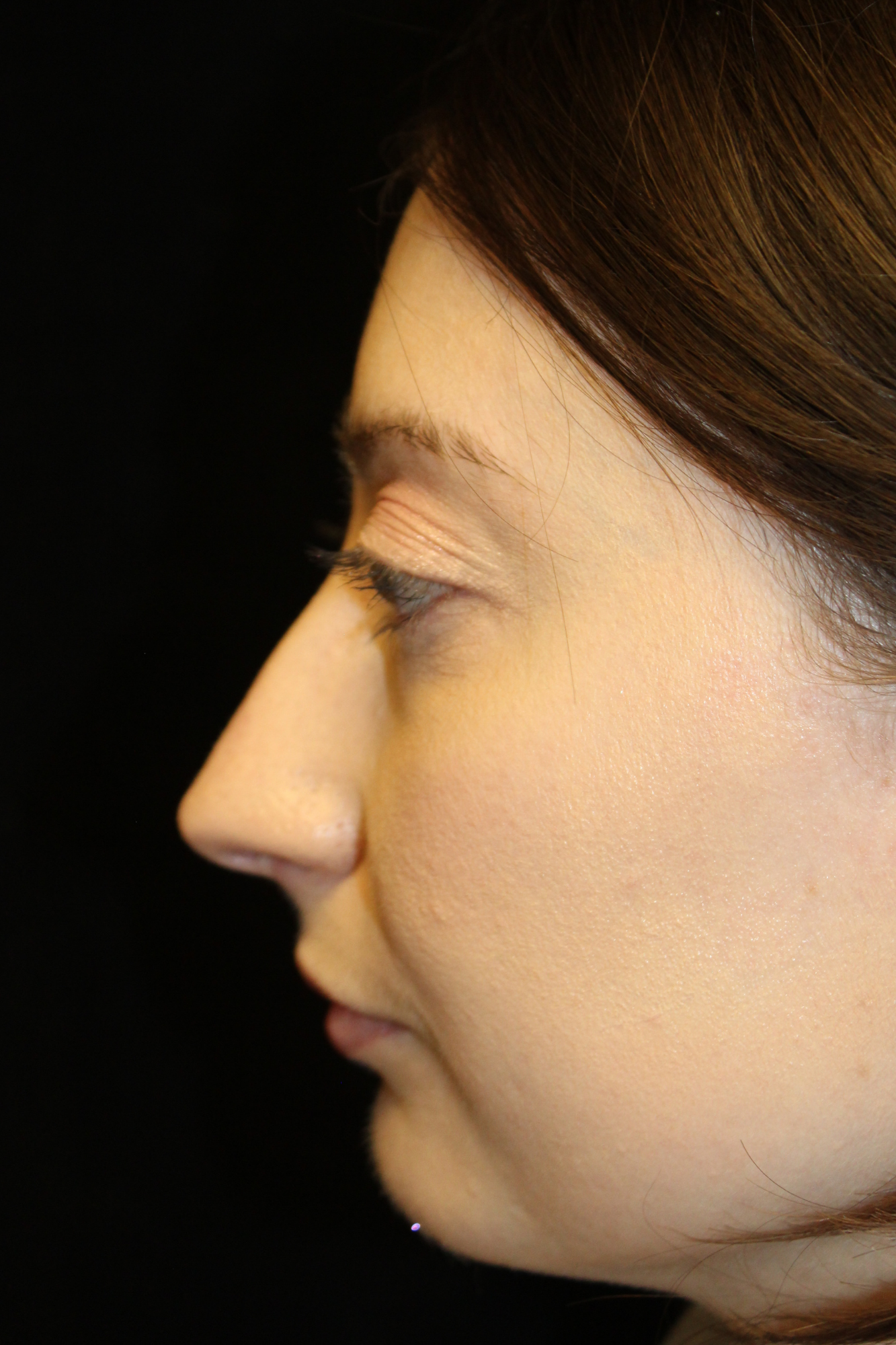
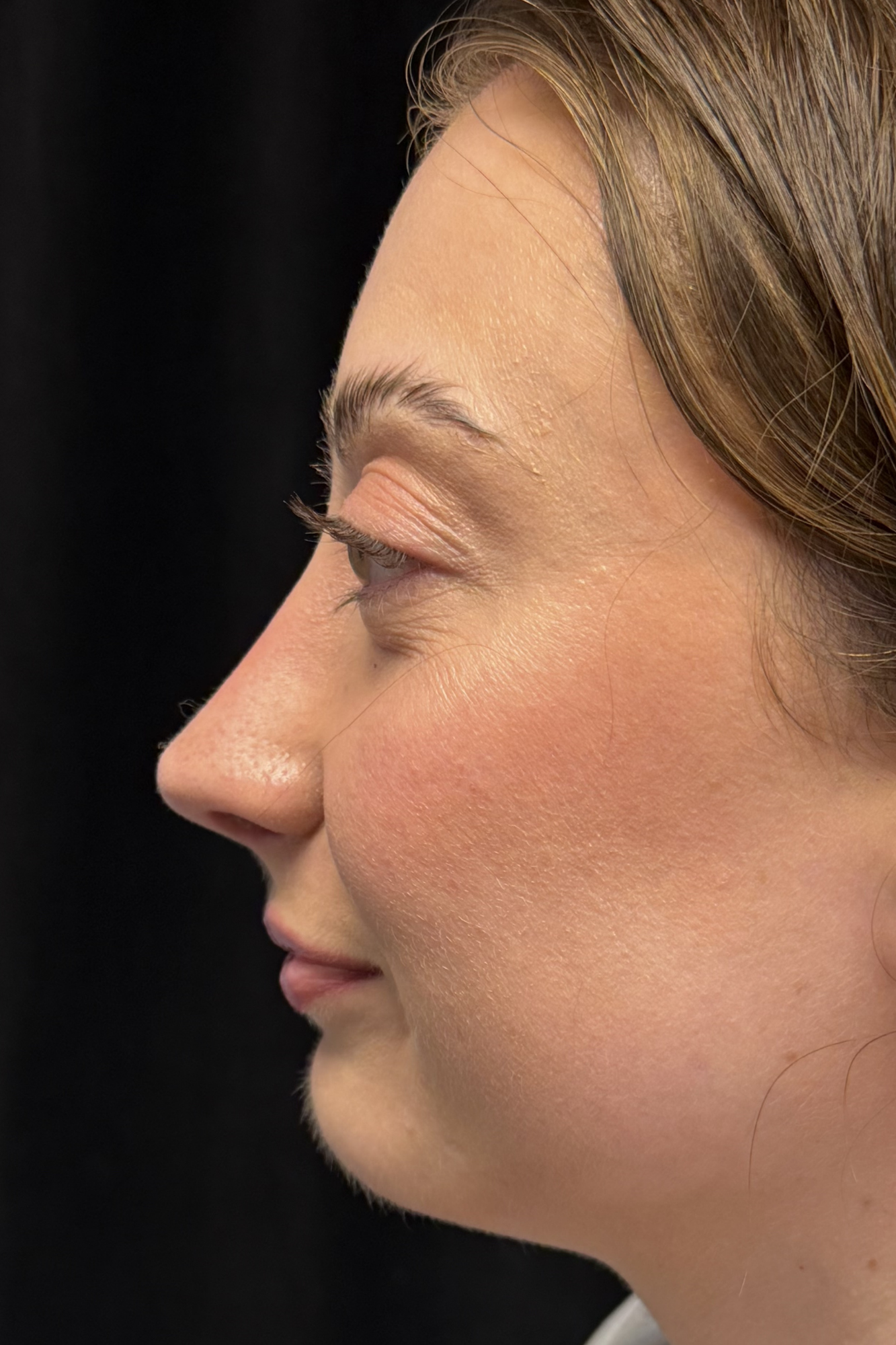
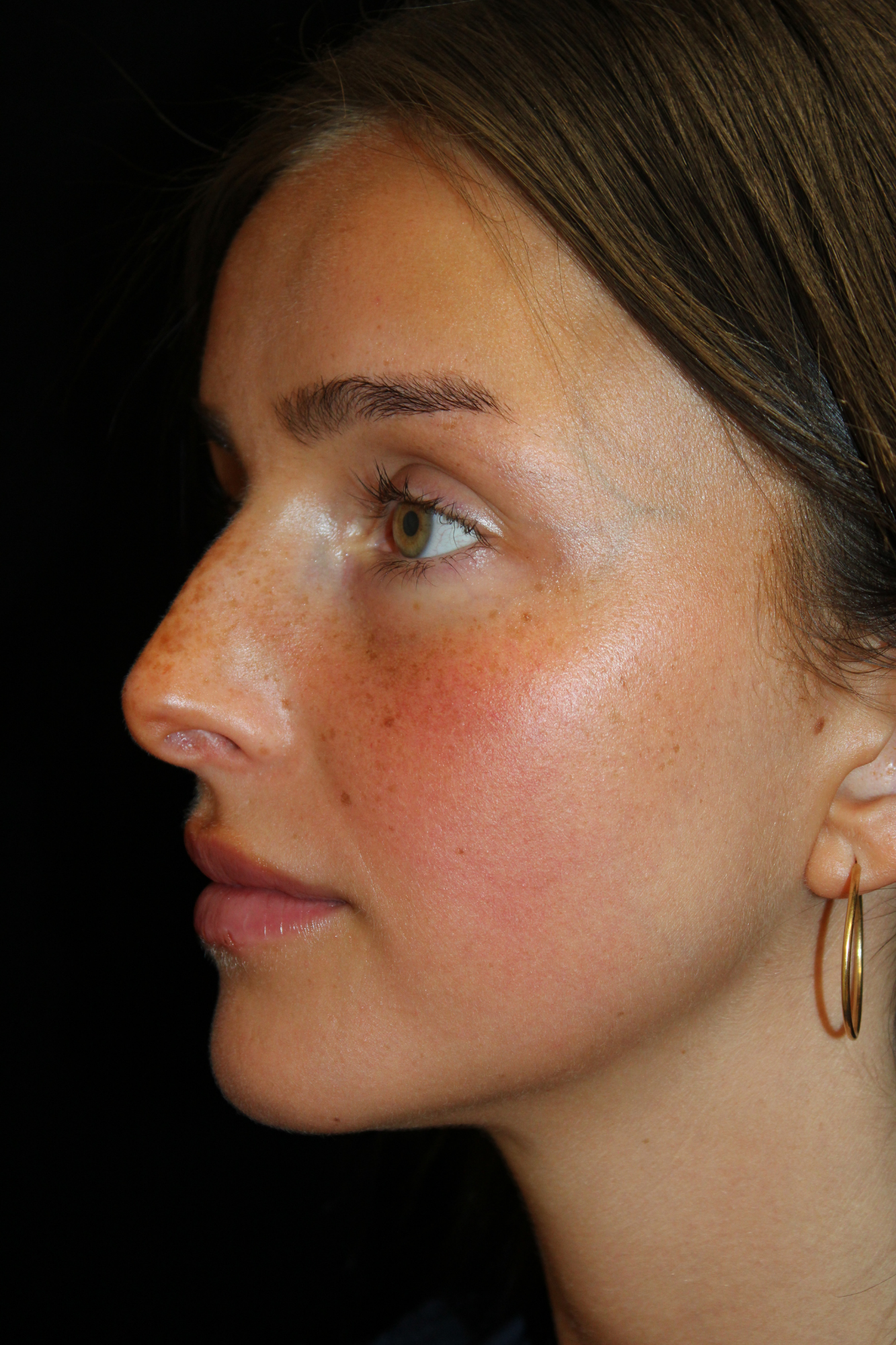
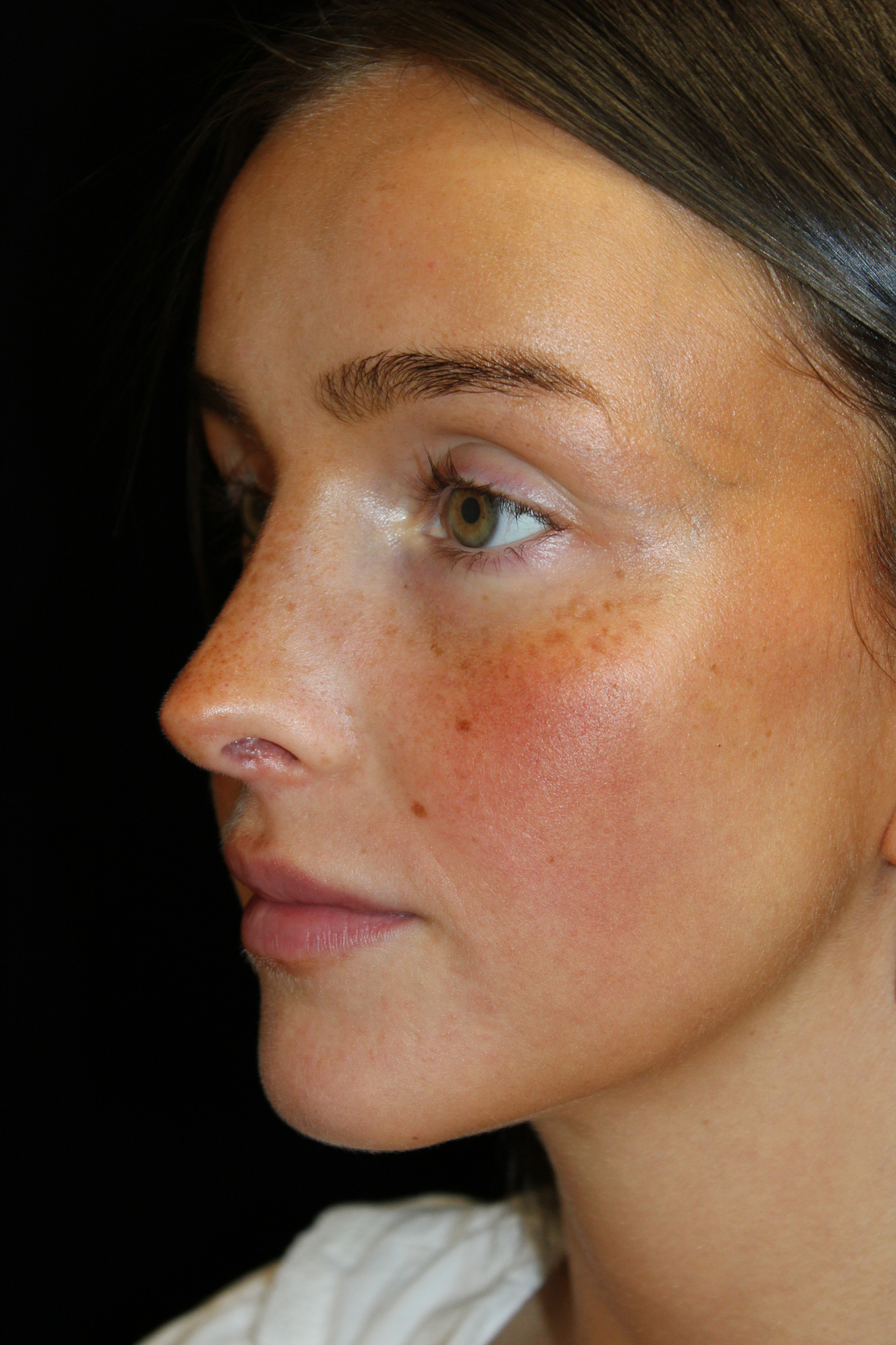
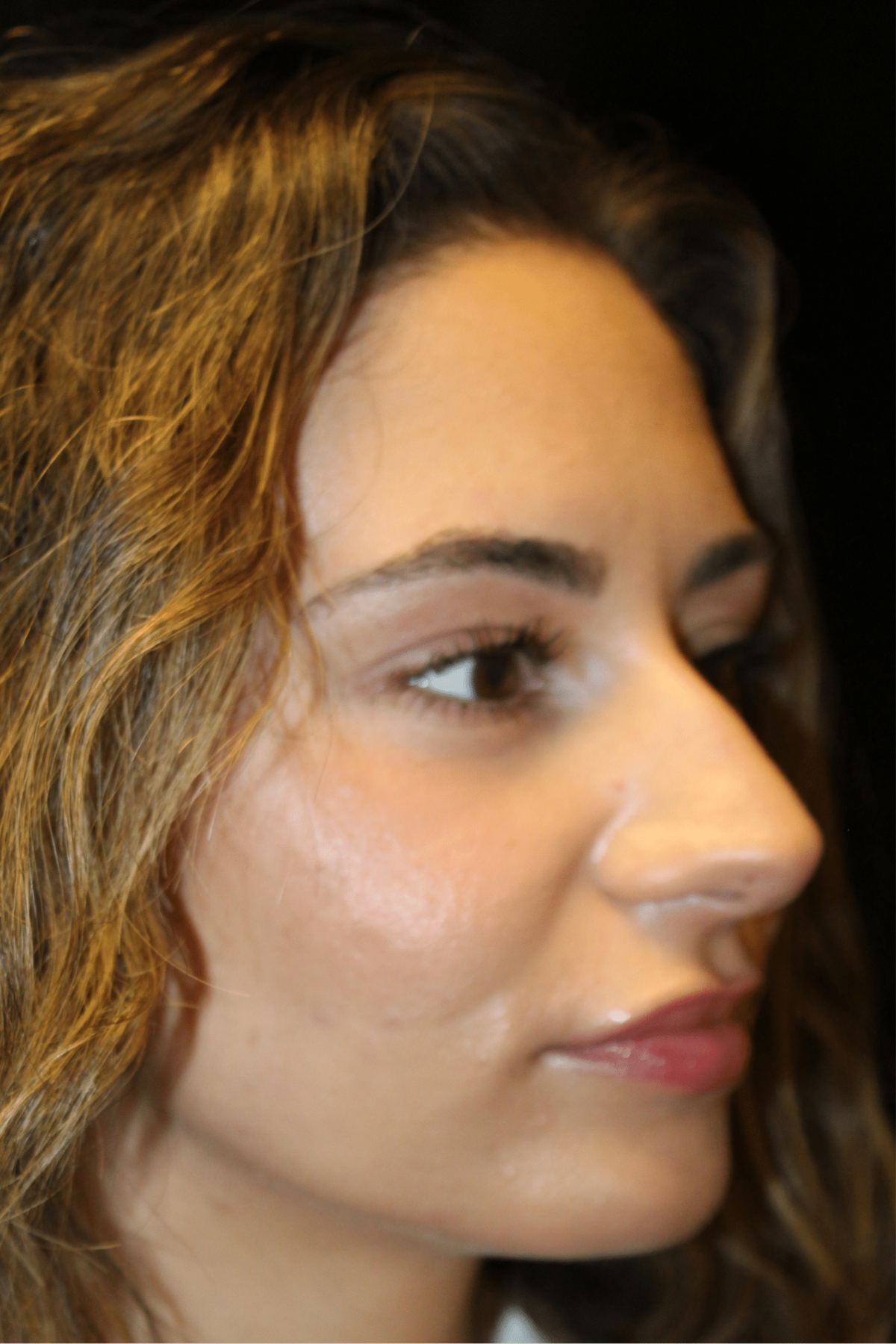
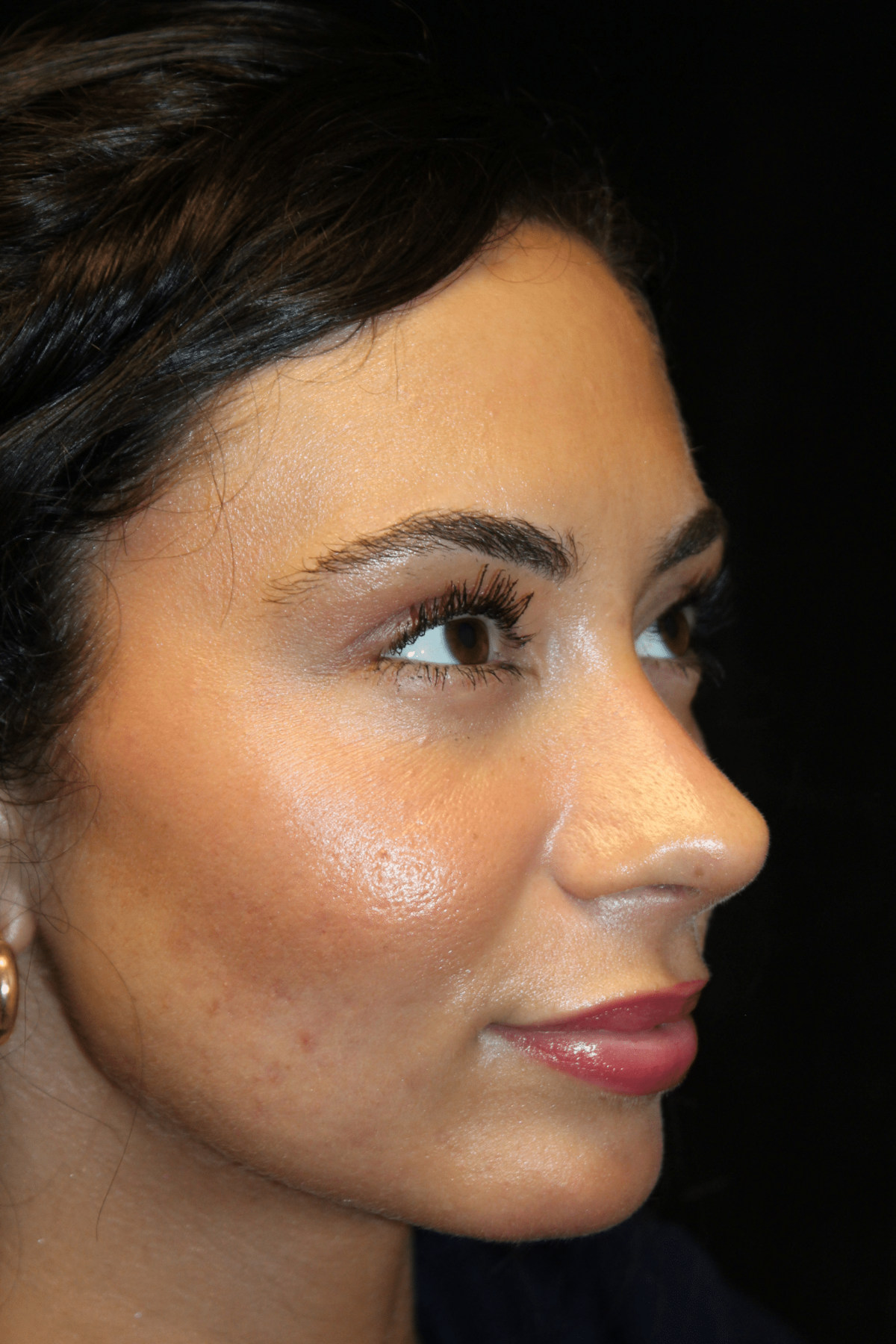
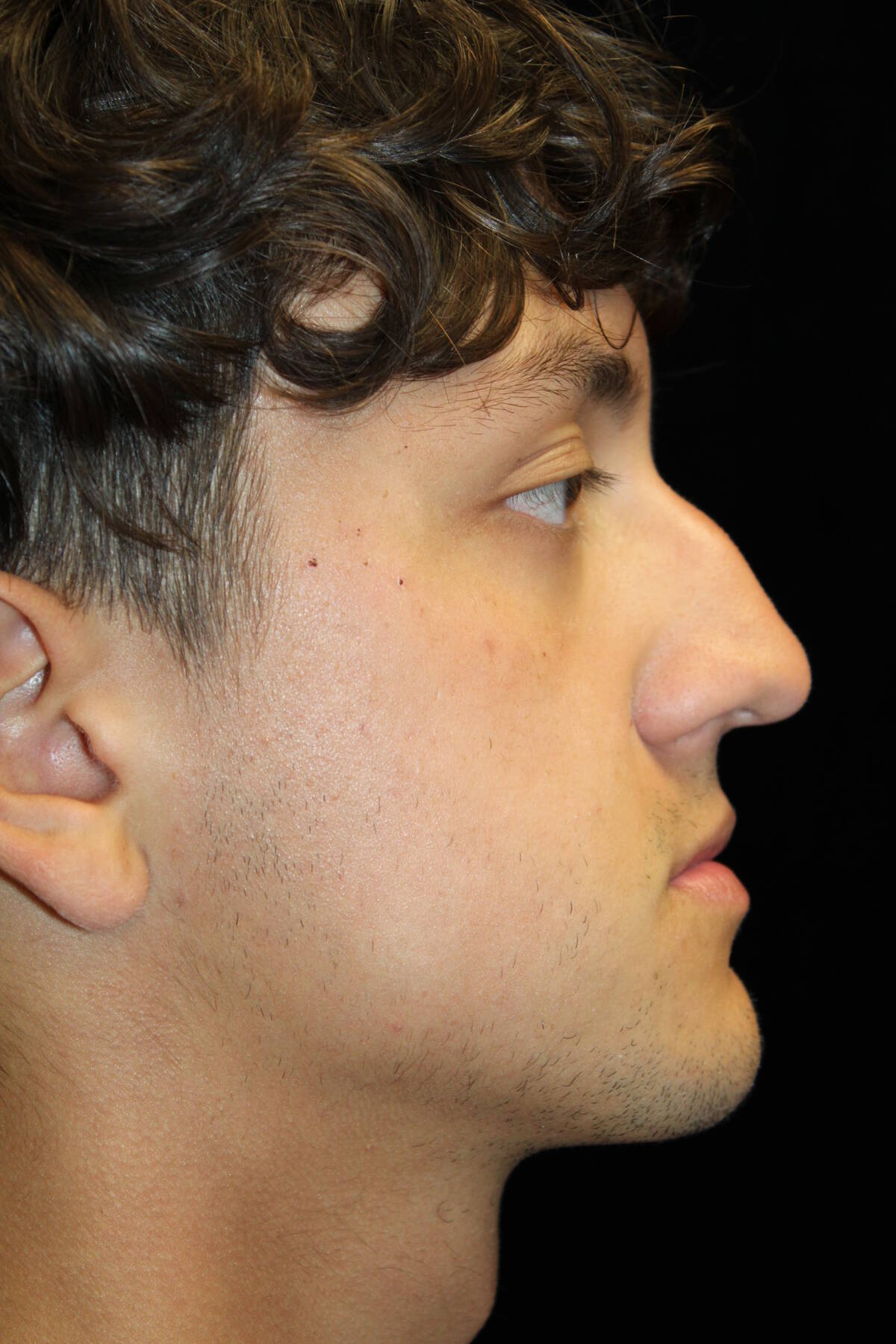
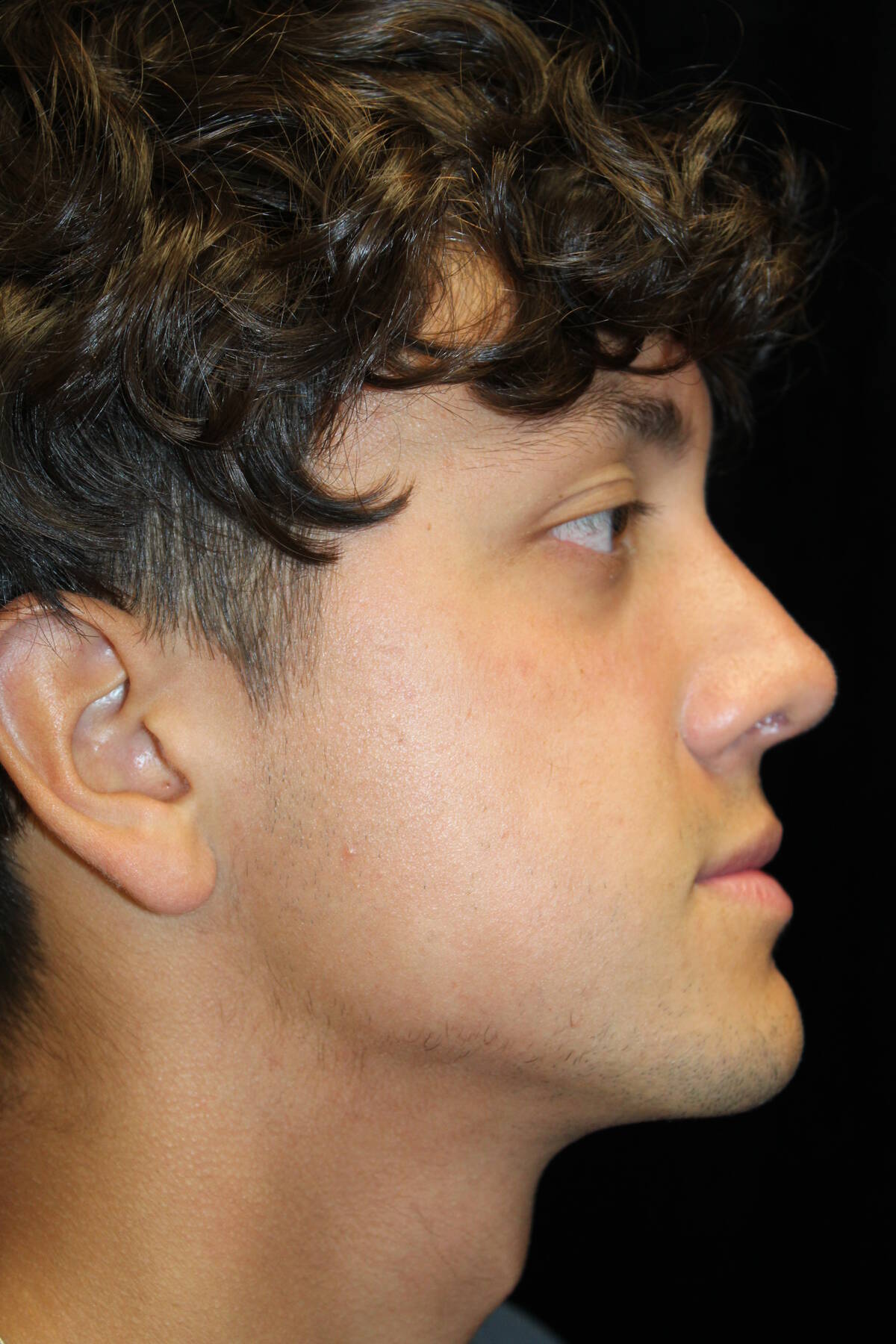
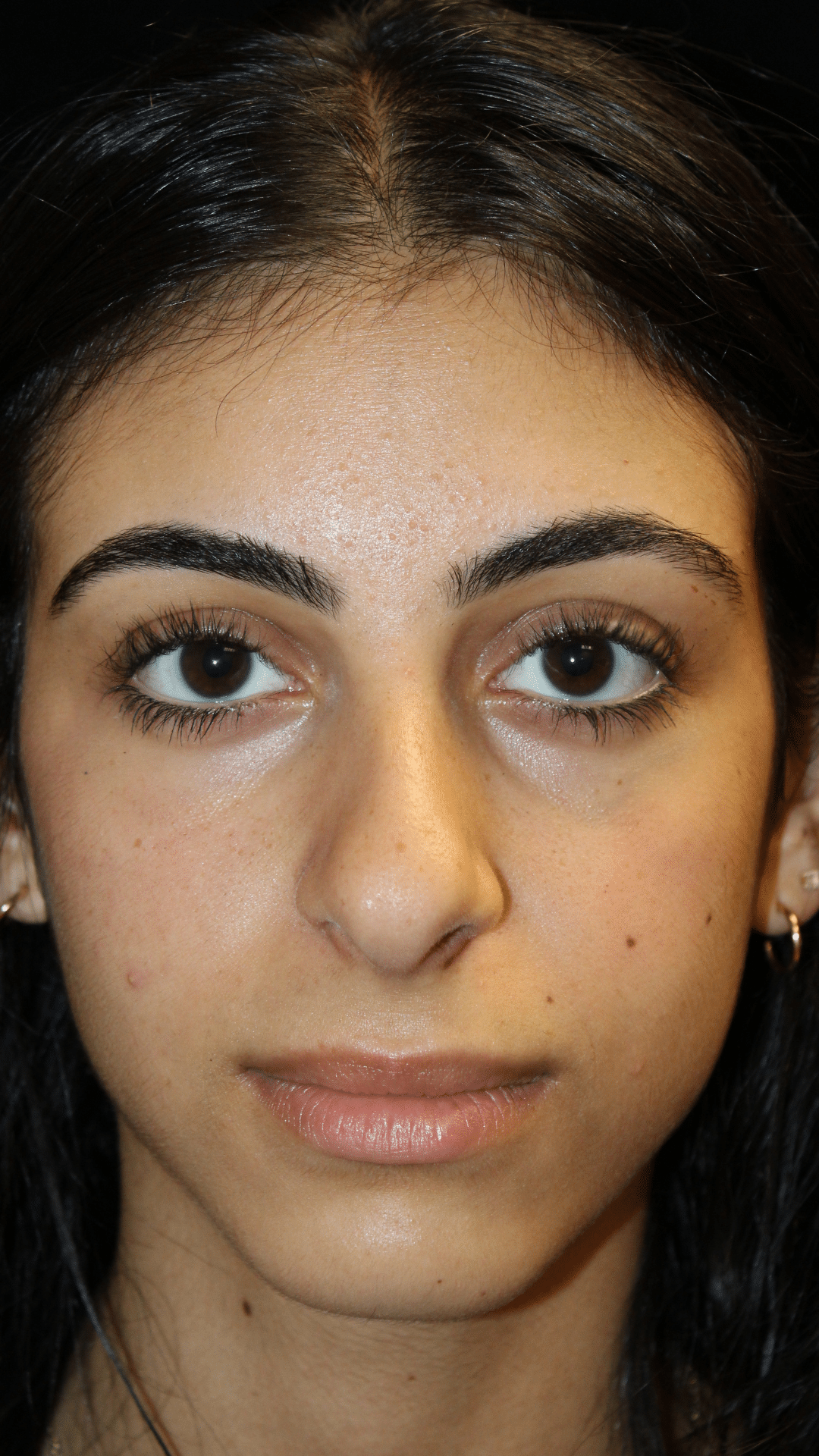
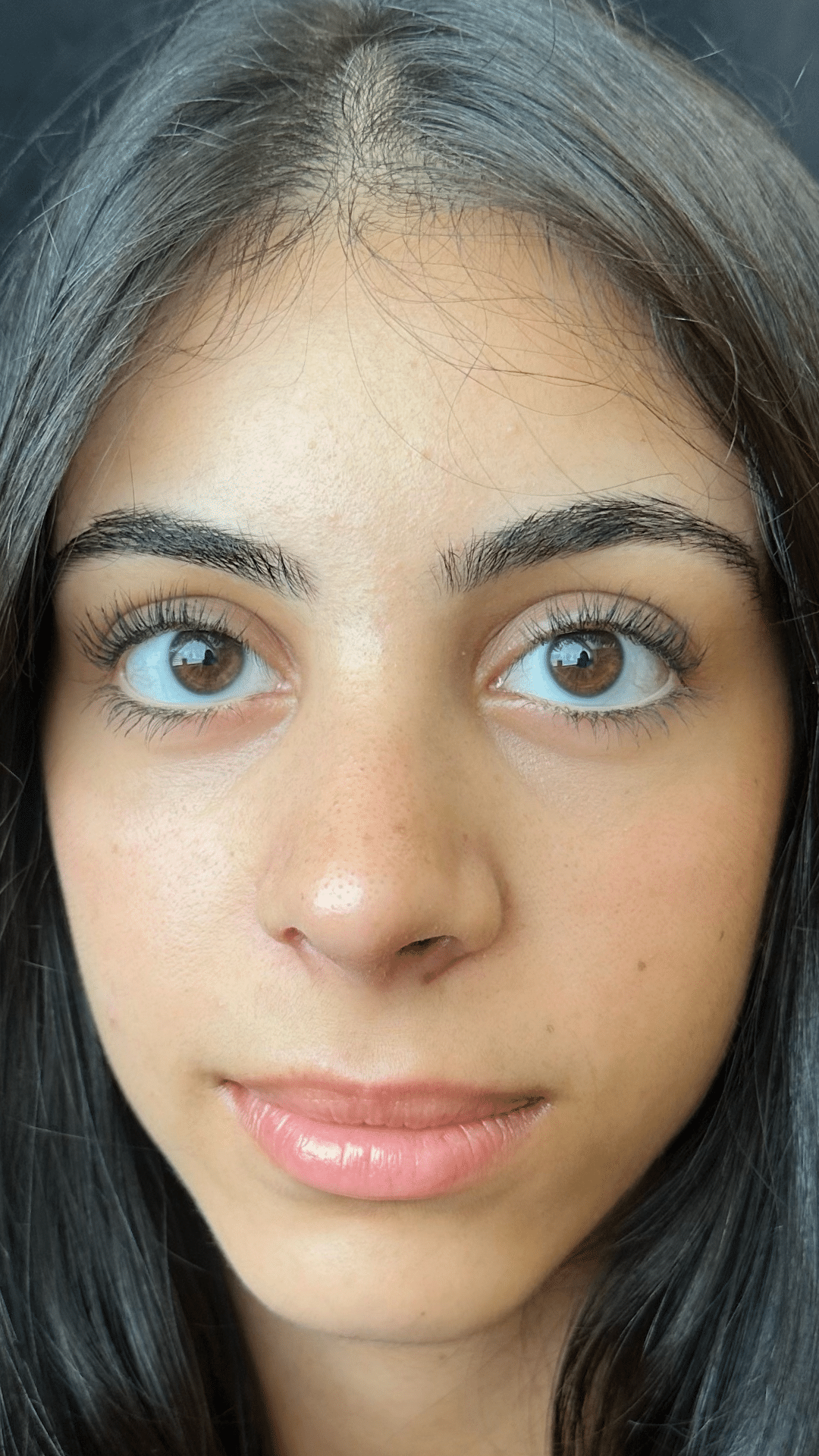
Real patients of this practice, photographed in standard views. Every face is different — these show the quality of the work, not a result you are promised.
“Dr. Gowda is an exceptional surgeon. He is kind, spends time with you and truly has a gift for knowing what looks best for you along with your expectations. I had a very complex nose reconstruction and could not have gone through it with any other surgeon. I visited many in the Troy area — none compare.”
“Dr. Gowda and his entire staff are amazing. They really dedicate the time to go over all concerns and questions and make you feel comfortable with such big decisions. They have all exceeded my expectations. You truly are a perfectionist.”
“The work was done quickly and with extreme skill and artistry. This is the most symmetrical that my face has looked since my accident, and I am so pleased. The surgeon is a perfectionist and will give all to his patients.”

“The doctor–patient relationship is a special partnership in which I treat and care for all my patients with dignity and respect, and as unique individuals.”
Dr. Gowda trained in general surgery at Mount Carmel Mercy Hospital and completed his plastic surgery training at Wayne State School of Medicine. He has been board certified in plastic surgery since November 1987 and has been teaching plastic surgery residents since 1990.
You meet Dr. Gowda directly. He assesses skin thickness, cartilage, bone and airway — the four things that decide what is achievable on your face.
A specific plan: preservation or structural approach, closed or open, whether septoplasty is needed for breathing, and an itemized quote.
Outpatient, under general anesthesia or IV sedation. Incisions are concealed inside the nose in the majority of cases.
The splint comes off at about a week and most patients are presentable soon after. Swelling in the tip refines over the following months — the final result is a year’s story, and he follows it the whole way.
No price is quoted over the phone, because no plan exists until Dr. Gowda has examined you. You receive an itemized written quote at your consultation — and the practice accepts CareCredit at both offices.
Standard CareCredit terms apply.
Six-month deferred interest — no interest if the balance is paid in full within six months. Interest accrues from day one if it is not.
Twelve-month deferred interest, or fixed monthly payments over 24 or 36 months with interest on the unpaid balance.
CareCredit cannot be used for procedures scheduled more than 30 days ahead. Ask the front desk which option fits your timing.
Surgery is performed in the AAAASF-accredited suite inside the Novi office, or at Ascension Providence and Beaumont Royal Oak, where Dr. Gowda holds privileges.
In a traditional reduction, the hump is removed by taking down the roof of the nose, which then has to be rebuilt. In preservation rhinoplasty, that roof is kept intact and lowered from underneath. Because the original surface is never removed, the bridge keeps its natural light reflection — the detail that most often gives a nose job away.
No. Dr. Gowda performs closed preservation rhinoplasty, which means every incision is made inside the nose — there is no external scar to heal, hide or explain. He performed open rhinoplasty for more than twenty-five years before moving to the closed preservation approach, and the absence of an external incision is one of several reasons he made the change.
Piezo uses ultrasonic energy to shape the nasal bones instead of the chisels and rasps used in traditional rhinoplasty. It cuts bone precisely while leaving the soft tissue around it alone, which generally means less bruising and a more controlled result along the bridge. Dr. Gowda uses Piezo instruments as part of his preservation technique.
He has trained with international experts in the technique since 2018. Preservation rhinoplasty came out of Europe and is still taught by a relatively small group of surgeons — seeking that training out directly is why he was performing it years before most of the market.
Yes, and it is usually the right thing to do. A deviated septum or collapsed internal valve is addressed in the same operation. Dr. Gowda treats careful reconstruction of the breathing portion of the nose as equally important to appearance — a beautiful nose you cannot breathe through is a failed operation.
Cosmetic rhinoplasty is not covered. Septoplasty — the functional correction of a deviated septum — may have the possibility of coverage, and the office will tell you honestly which part of your operation might qualify. Nothing is submitted as functional that isn’t.
The splint is removed at around a week and bruising usually settles within two. Most patients are back to work inside two weeks and to full exercise at about six. Refinement in the tip continues quietly for up to a year.
Sometimes, and a revision is a different operation from a first-time rhinoplasty — scarring, missing cartilage and altered anatomy all change what is possible. Bring your operative report if you have it. He will tell you plainly whether he can improve it, and if he cannot, he will say so.
No. This is a paid, dedicated surgical consultation with Dr. Gowda himself — a full assessment of your anatomy and airway and an individual plan. It is not a sales appointment with a coordinator.
Every consultation is with Dr. Gowda himself. You will leave knowing what he would do, what he would not do, what it costs and how long you would need. Request a time and our team will call you.
Prefer to talk now? Troy 248-530-0000 · Novi 248-305-8400
A private, one-on-one surgical consultation — he will assess your nasal anatomy and airway, explain what a preservation approach can and cannot change on your face, and give you a written plan and quote.
